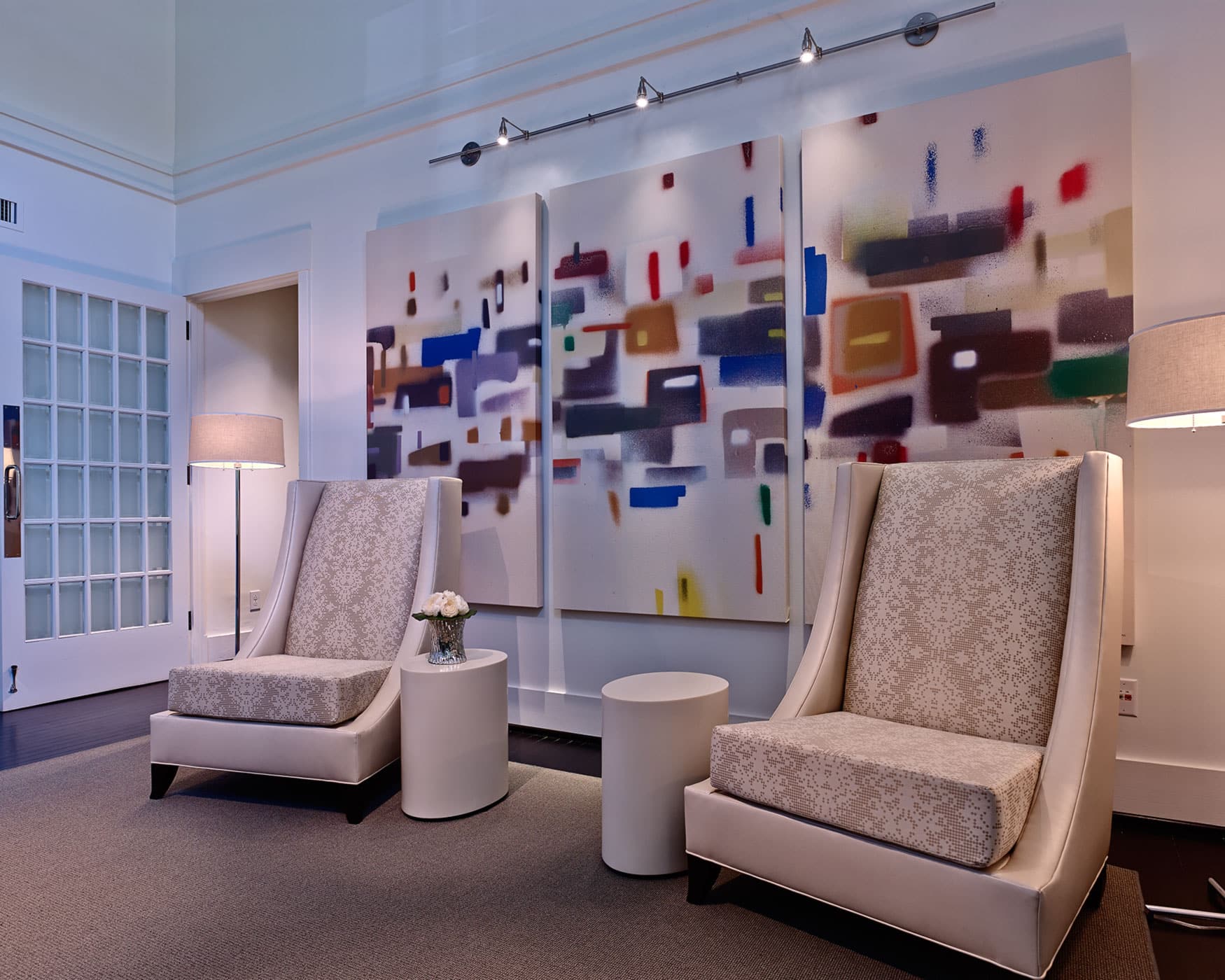
Living in a smaller home doesn’t mean sacrificing style or comfort. In fact, compact spaces often inspire some of the most creative and thoughtful design solutions. With smart planning, strategic furniture choices, and a cohesive design vision, even the smallest home can feel open, functional, and welcoming.
A skilled home interior designer in Birmingham, AL understands how to balance functionality and aesthetics so that smaller homes feel purposeful rather than crowded.
Why Small Spaces Benefit from Professional Design
Small homes require careful planning to ensure every inch of space serves a purpose. Unlike larger homes where extra square footage can hide inefficiencies, smaller homes highlight design mistakes quickly. This is why many homeowners turn to a home interior designer in Birmingham, AL to guide them through the design process.
Professional designers begin by understanding the homeowner’s lifestyle, preferences, and daily routines. Through detailed consultations, they identify how each room should function and how design elements can support those needs. From layout planning to furniture selection, thoughtful design ensures that a compact home remains practical without sacrificing beauty.
Prioritize Smart Space Planning
Space planning is one of the most important elements of interior design in smaller homes. A well-designed layout improves movement throughout the home while making each room feel more open and comfortable.
Furniture placement plays a major role in how large a room feels. Oversized pieces can quickly overwhelm a small space, while carefully scaled furniture allows the room to breathe. Designers often use floor plans and visualization tools to determine the ideal layout before any purchases are made.
A home interior designer in Birmingham, AL will also look at how rooms connect to each other. Open sightlines, thoughtful pathways, and balanced furniture arrangements help create a sense of flow throughout the home.
Use Multi-Functional Furniture
Furniture that serves more than one purpose is a powerful design tool in compact homes. Pieces that combine storage with seating or sleeping functions can dramatically increase usable space.
For example, storage ottomans can hide blankets or books while providing additional seating. A bed with built-in drawers eliminates the need for extra dressers. Dining tables that expand for guests allow homeowners to keep a smaller footprint during everyday use.
Multi-functional furniture helps reduce clutter and ensures that rooms remain adaptable for different activities. When carefully integrated into a design plan, these pieces support both practicality and visual harmony.
Maximize Vertical Space
When floor space is limited, vertical space becomes incredibly valuable. Walls offer opportunities for storage, display, and visual interest without reducing walking space.
Tall shelving units, wall-mounted cabinets, and floating shelves can create storage solutions while maintaining a clean aesthetic. Built-in cabinetry is another popular option, as it uses available wall space efficiently while blending seamlessly into the room’s design.
Lighting can also play a role in emphasizing vertical space. Wall sconces or pendant lights free up valuable surface area while drawing the eye upward, helping rooms appear taller.
Use Color and Light to Expand the Space
Light, neutral color palettes often help reflect natural light and create an open atmosphere. Soft whites, warm beiges, and subtle grays are popular choices because they provide a bright foundation while still feeling warm and inviting.
Natural light is equally important. Maximizing window exposure and choosing lighter window treatments can dramatically change the feel of a room. Mirrors are also commonly used to reflect light and give the illusion of depth.
Professional designers carefully consider how color, lighting, and materials interact. When used together, these elements can transform a compact space into one that feels significantly larger.
Keep the Design Cohesive
In smaller homes, visual clutter can quickly make rooms feel cramped. A cohesive design approach helps maintain a sense of openness and calm throughout the space.
Using consistent colors, materials, and design styles across rooms helps create visual continuity. For example, repeating similar finishes or coordinating furniture styles can unify the entire home.
Designers also carefully curate décor elements. Rather than filling every surface, they select meaningful pieces that add personality without overwhelming the space.
Working with Heidi Core Interior Design
When it comes to designing smaller homes effectively, experience and expertise make a difference. Heidi Core Interior Design brings more than three decades of industry experience and a collaborative approach to every project. The firm focuses on understanding each client’s vision and translating it into a space that feels functional and beautiful.
Led by founder Heidi H. Core, a licensed and NCIDQ-certified designer, the team blends creativity with practical planning to deliver personalized interiors that reflect the homeowner’s lifestyle.
To learn more or schedule a consultation, contact Heidi Core Interior Design and start bringing your vision to life.